Tag: https://www.m88linkvn1.com

Does Texas Have a Casino Understanding Gaming Availability...
Texas maintains some of the most stringent gambling laws in the United States, leading to frequent questions about what gaming options are actually accessible within state borders. While full-scale commercial casino resorts are prohibited under current state law, residents and visitors can still find specific legal avenues for real-money gaming. Navigating the Texas landscape requires an understanding of tribal sovereignty, state regulatory boundaries, and neighboring market alternatives.
The Status of Tribal Casinos in Texas
Under federal legislation, specifically the Indian Gaming Regulatory Act, federally recognized Native American tribes possess unique rights to operate gaming venues. In Texas, tribal establishments operate under specific legal frameworks that limit the scope of games they can offer compared to traditional resorts. These venues primarily feature electronic gaming machines and electronic bingo rather than full table games.
Because state authorities have historically contested tribal expansion, operational regulations remain complex and tightly monitored. Visitors to these destinations often experience an atmosphere similar to commercial floors, though the underlying legal structures differ significantly. Understanding these distinctions helps patrons know what to expect when visiting tribal properties in the state.
Alternative Legal Gaming Venues and Pari-Mutuel Wagering
Beyond tribal lands, Texas permits a limited selection of legal gambling activities under strict state oversight. Pari-mutuel wagering on horse and dog racing is legally sanctioned at licensed racetracks across major metropolitan areas. Additionally, charity bingo halls and a state-operated lottery provide accessible legal options for residents seeking entertainment.
Social poker clubs have also grown in popularity across major Texas cities by operating under specific statutory exemptions regarding private venues. Meanwhile, local players exploring digital entertainment platforms like link vào m88 không bị chặn often analyze how regulatory standards across different global jurisdictions shape the modern gaming experience. These local and international options reflect a complex legal framework that balances regulation with consumer demand.
Current Legislative Debates and Future Prospects
Efforts to expand legal gaming options in Texas have gained momentum in recent legislative sessions, driven by economic considerations. Proponents argue that introducing destination resort casinos could generate substantial tax revenue and create thousands of jobs across the state. However, legislative proposals face significant opposition from conservative lawmakers and community groups concerned about societal impacts.
Because constitutional amendments in Texas require a two-thirds majority in both legislative chambers and approval from voters, passing sweeping reform remains a challenge. For now, Texas residents frequently travel to neighboring states like Oklahoma and Louisiana, where full-scale commercial casinos operate freely near the border. Until state statutes evolve, the gaming landscape in Texas will remain tightly controlled and limited in scope.
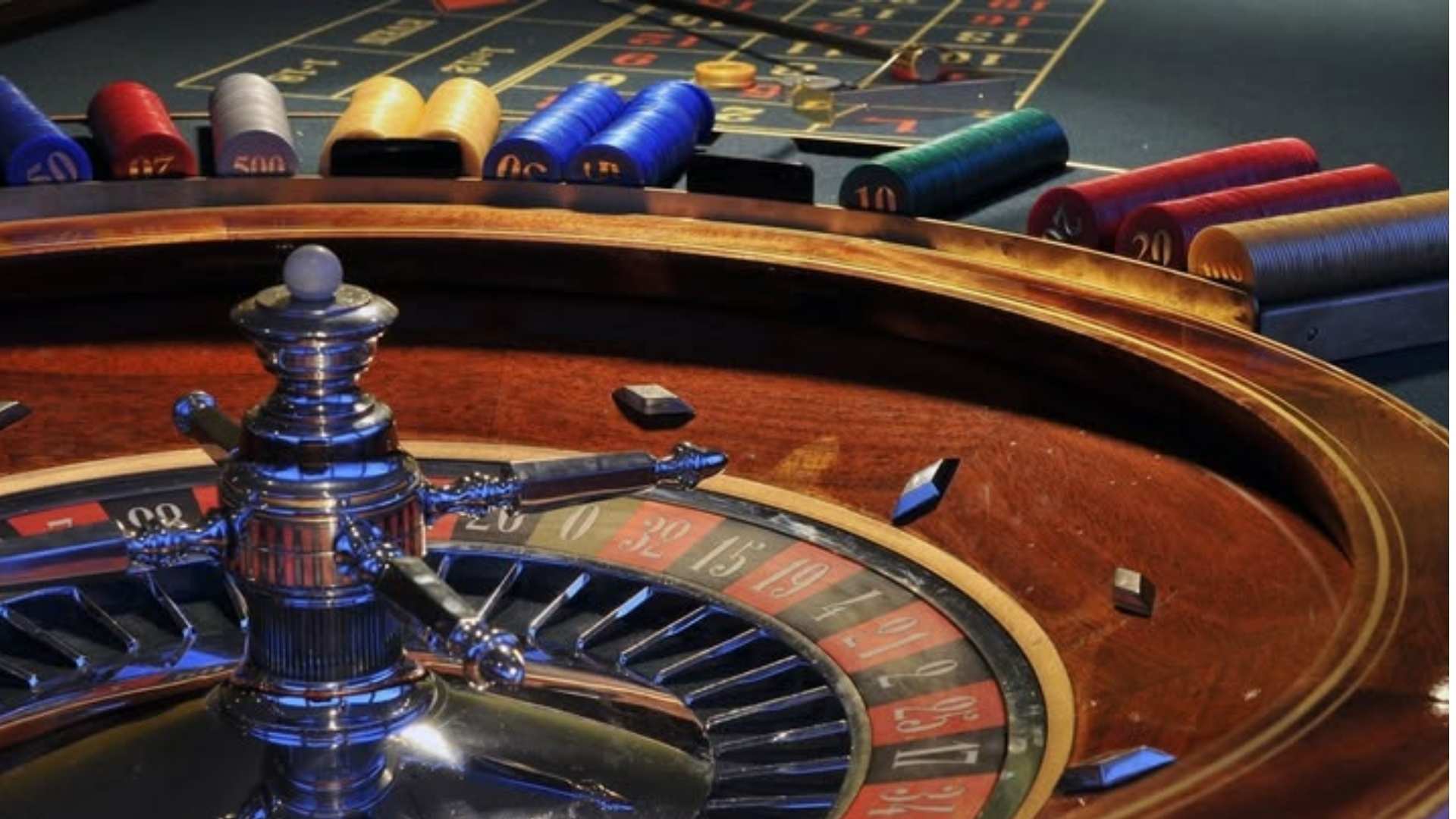
Understanding The Origins Of Popular Baccarat Styles
The global casino landscape features several distinct variations of baccarat, each reflecting the specific historic culture that shaped its development. While the baseline objective of achieving a score closest to nine remains universal, the regional rules dictate how participants engage with the dealer. Tracking these distinct historic lineages allows modern players to appreciate how geographic preferences transformed a simple parlor pastime into a flexible international centerpiece.
The European Roots and Aristocratic Traditions
Baccarat traces its foundational heritage back to regional European card circles, where early mechanics involved significant player choice and shared financial risk. In these traditional layouts, participants did not merely guess at predetermined outcomes but instead took active turns financing the table bank. This structured interaction created a highly social atmosphere where personal strategy could influence the distribution of cards.
As these formats moved into formal French gaming salons, they split into legendary variants like Chemin de Fer and Baccarat Banque. These early editions required players to manually settle drawing choices based on psychological calculations and mathematical probabilities. For modern enthusiasts wanting to explore these classic roots, digital platforms like m88 m88lu.io offer comprehensive guides alongside automated tables that preserve standard historical rules.
The Emergence of the American Standard
The mid-twentieth century witnessed a major structural shift when the game migrated across the Atlantic and adapted to the fast-paced environment of American casinos. Designers stripped away the complex ritual of passing the bank among players and instead placed the financial responsibility entirely on the house. This mechanical optimization resulted in Punto Banco, which quickly established itself as the modern standard for global gaming floors.
By eliminating manual drawing options, this variation transformed the game into a highly streamlined exercise in pure probability. Participants could simply sit back and observe the round unfold automatically according to strict third-card rules. This accessibility removed the traditional learning barrier, allowing a broader audience of casual players to experience the high-stakes atmosphere.
Asian Innovations and Accelerated Formats
As the pastime expanded into prominent Asian entertainment hubs, local preferences for efficiency and rapid results triggered further structural evolution. Gaming operations adapted standard setups to accommodate higher volume by introducing smaller tables and eliminating unnecessary card-handling ceremonies. These modifications created high-speed variants that maximize the number of active rounds completed within a single session.
In addition to rapid gameplay, Eastern tables frequently integrate specialized side wagers and alternative payout structures to satisfy contemporary analytical tastes. For instance, commission-free structures alter the standard banker payout to streamline chip distribution and speed up table administration. This continuous adaptation demonstrates how regional gaming cultures continue to reshape classic frameworks to align with modern consumer expectations.