Lucky Draw Campaigns Built for Long-Term Success
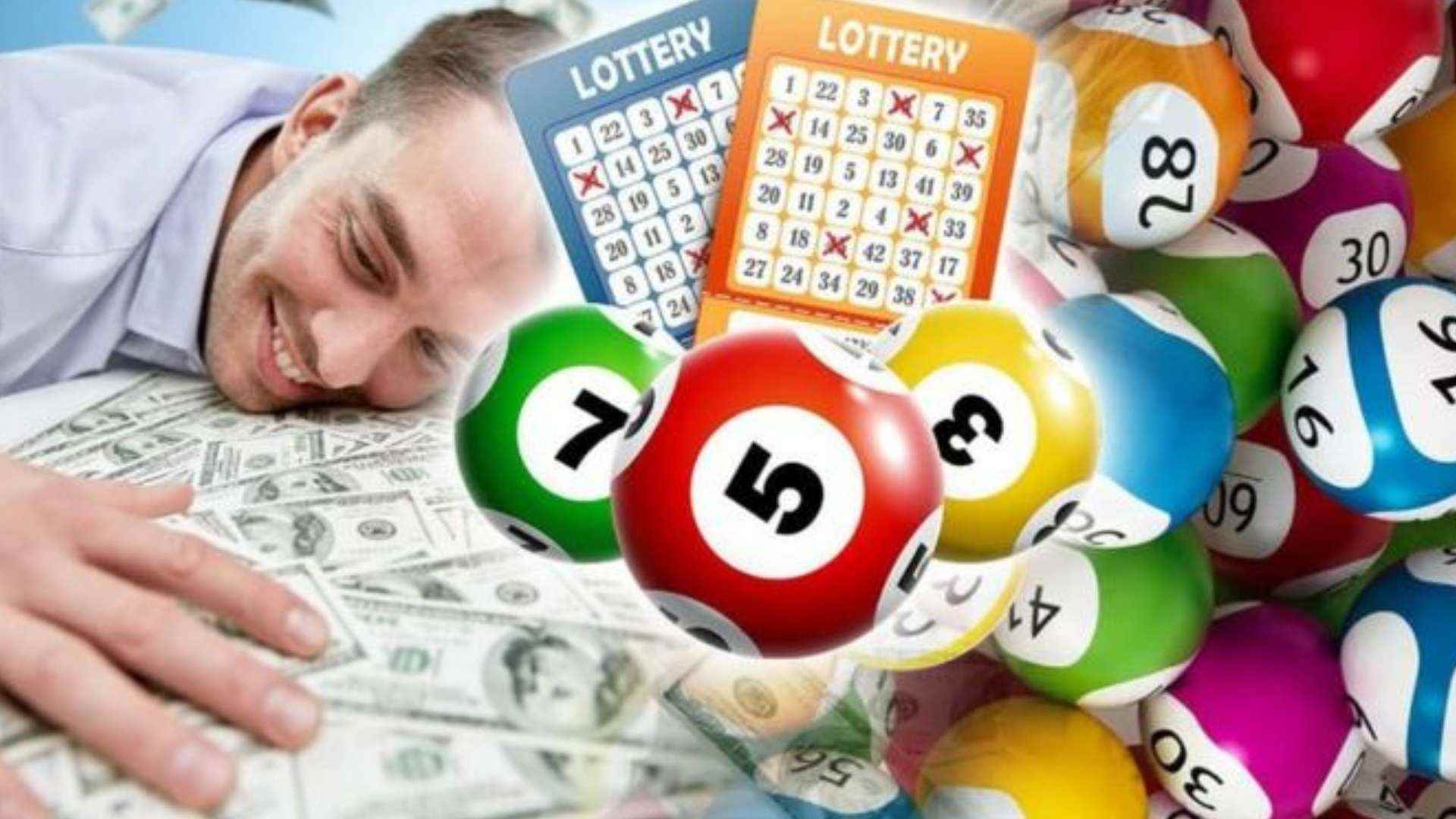
Lucky draw promotional events are highly effective tools for generating immediate consumer interest and driving short-term engagement. However, shifting the focus from a one-time spike in activity to a sustained marketing advantage requires a carefully structured methodology. Businesses that successfully design these promotional campaigns with a vision for long-term sustainability can secure continuous brand value and deep customer appreciation over extended periods.
Shifting the Focus to Customer Lifetime Value
To establish a promotion that delivers ongoing returns, organizations must look beyond immediate participation metrics and prioritize continuous loyalty. Instead of allocating resources toward a singular massive event, a strategic approach distributes incentives structurally across a balanced timeline. This consistent distribution encourages a habit of returning to the platform, transforming casual participants into committed advocates who engage with the brand systematically.
Furthermore, aligning the rewards with the core values of the target audience enhances the perceived relevance of the brand. Experienced marketers often integrate digital touchpoints such as an m88 asia login to streamline the journey, ensuring that every user interaction is secure and efficient. When access points are reliable, consumers are much more likely to maintain a long-term connection with the underlying marketing framework.
Building Transparency and Operational Integrity
The foundation of any successful promotional campaign is absolute trust between the brand and its community. If audiences suspect that the selection processes are unfair or hidden from view, initial enthusiasm will quickly decline into skepticism. Implementing verifiable selection systems and publishing clear results are essential steps for establishing long-term organizational credibility.
By ensuring that every participant understands the terms and conditions, businesses eliminate confusion and mitigate potential complaints. Transparent operations demonstrate that the company respects its consumer base, which encourages people to recommend the promotional events to others. Over time, this reputation for integrity becomes a competitive asset that naturally expands the community without requiring excessive advertising investments.
Designing Tiered and Sustainable Incentive Frameworks
Relying solely on one grand prize can often alienate the majority of participants who feel their chances of winning are negligible. A superior method involves establishing a diverse pool of incentives that rewards multiple levels of commitment. Introducing frequent smaller prizes alongside a major reward keeps the broader audience active and hopeful during the entire timeline.
This structured distribution ensures that enthusiasm remains steady rather than fading after the launch phase. When participants observe a steady stream of winners, their personal confidence in the promotional system grows stronger. Consequently, the brand experiences stable traffic patterns and reliable interaction cycles that support long-term commercial goals.
Leveraging Data Insights for Continuous Improvement
A long-term promotional strategy must never remain static, as consumer preferences and market conditions inevitably shift. Analyzing user behavior during each phase of the campaign provides valuable insights regarding entry methods and preferred reward categories. Marketing teams can then utilize this objective information to refine future iterations and maximize administrative efficiency.
By adapting the campaign based on clear behavioral metrics, brands remain fresh and highly competitive within their respective industries. Continuous refinement helps sustain consumer interest while ensuring that marketing expenditures yield optimal results over time. Ultimately, structured adaptability turns a simple drawing into a powerful tool for lasting market success.